

-

The Role of Silence and Reflection in the Prophet’s ﷺ Life
Introduction In an age dominated by noise, constant communication, and relentless stimulation, silence is often perceived as emptiness, withdrawal, or inefficiency. Yet within the Islamic tradition—and most profoundly in the life of the Prophet Muhammad ﷺ—silence (am) and reflection (tafakkur, tadabbur) are not absences but presences: deliberate, meaningful, and transformative states of being. The Prophet…
-
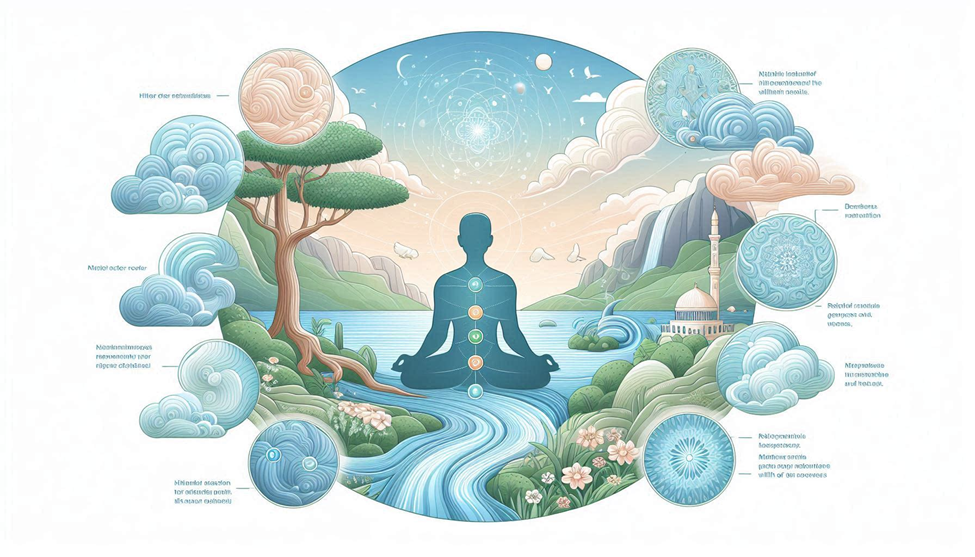
The Role of Tabbed in Nervous System Regulation
Introduction In an age marked by chronic stress, sensory overload, emotional deregulation, and rising rates of anxiety-related disorders, there is renewed interest in practices that naturally calm and regulate the nervous system. Modern neuroscience increasingly recognizes the importance of rhythm, repetition, breath, meaning, and focused attention in restoring physiological balance. Long before these concepts were…
-

The Stress-Reducing Power of Night Prayer (Tahajjud)
Introduction Modern life is characterized by relentless pressure, cognitive overload, emotional fatigue, and chronic stress. Despite technological convenience, rates of anxiety disorders, insomnia, depression, and burnout continue to rise globally. Contemporary psychology increasingly acknowledges the importance of contemplative practices, silence, circadian alignment, and meaning-centered rituals in stress regulation. Within Islamic tradition, Tahajjud, the voluntary night…
-
Islamic Simplicity: Reducing Mental Clutter
Introduction: The Age of Mental Clutter Modern life has introduced an unprecedented cognitive and emotional burden. Notifications ping constantly, social media demands our attention, and the pressures of multitasking fragment our focus. The brain, designed for reflection and deep attention, now struggles to maintain clarity. This overstimulation produces what modern psychology calls “cognitive clutter”—a state…
-

Managing Family Stress through Prophetic Communication
Introduction Family is the primary environment in which emotional patterns are formed, stress is experienced, and psychological resilience is either nurtured or weakened. While families are meant to be sources of comfort and security, they can also become spaces of tension, misunderstanding, and emotional overload. Modern family life is increasingly strained by financial pressure, role…
-

Social Comparison, Envy, and Stress in the Age of Social Media
Introduction: The Digital Mirror and the Restless Heart Never in human history has comparison been so constant, curate, and psychologically invasive. Social media platforms—designed to connect—have become digital mirrors through which individuals endlessly measure their worth, success, beauty, happiness, and spirituality against others. What once occurred occasionally within local communities now unfolds hour by hour,…
-

The Healing Role of Brotherhood and Sisterhood
Introduction Human beings are inherently social creatures, designed to thrive in community. Relationships with peers, siblings, and broader networks provide more than companionship—they offer critical emotional, psychological, and spiritual support. In Islam, brotherhood (ukhuwwah) and sisterhood are not only moral ideals but transformative sources of healing. The Qur’an and Sunni repeatedly emphasize mutual care, empathy,…
-

Serving Others as a Path to Inner Peace
Introduction In an age marked by chronic stress, emotional exhaustion, and pervasive loneliness, the pursuit of inner peace has become one of humanity’s most urgent psychological and spiritual quests. Despite unprecedented material advancement, rates of anxiety, depression, and existential dissatisfaction continue to rise. This paradox has led scholars, clinicians, and spiritual traditions to revisit an…
-
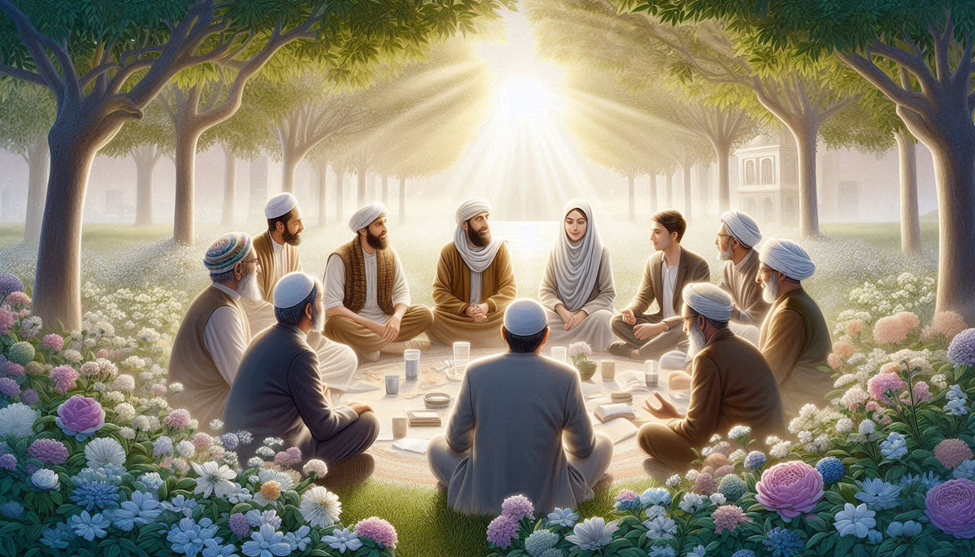
Conflict Resolution in Islam and Emotional Relief
1. Introduction: Conflict as a Human and Spiritual Reality Conflict is not a deviation from human life—it is woven into it. Wherever there are relationships, there will be disagreement; wherever there are differences in perception, expectation, or emotional need, there will be tension. Islam does not deny this reality, nor does it idealize a conflict-free…
-

The Mosque as a Mental Health Sanctuary
Introduction The mosque (mashed) has historically served as more than a place of ritual worship; it has functioned as a center for community, learning, and spiritual growth. In contemporary contexts, the mosque can also act as a critical sanctuary for mental health. Mental well-being, often overlooked in spiritual discussions, is deeply interconnected with one’s spiritual,…
Recent Post





| M | T | W | T | F | S | S |
|---|---|---|---|---|---|---|
| 1 | ||||||
| 2 | 3 | 4 | 5 | 6 | 7 | 8 |
| 9 | 10 | 11 | 12 | 13 | 14 | 15 |
| 16 | 17 | 18 | 19 | 20 | 21 | 22 |
| 23 | 24 | 25 | 26 | 27 | 28 | 29 |
| 30 | 31 | |||||