-
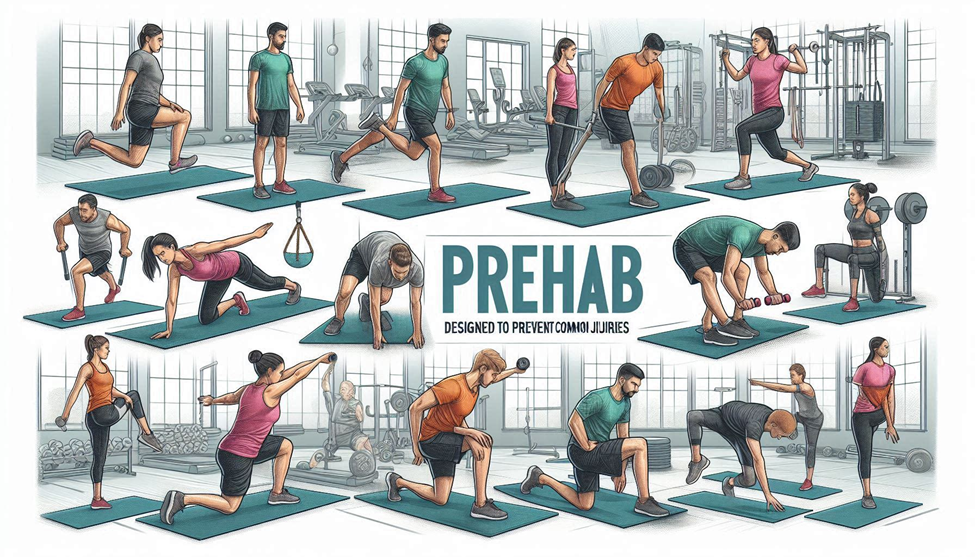
Prefab Exercises to Prevent Common Injuries
Introduction: Why Prefab Matters More than Rehab In modern training culture, injury prevention is frequently overshadowed by visible performance outcomes such as heavier lifts, leaner physiques, faster race times, or higher training volumes. Yet the most durable athletes and long-term exercisers recognize a fundamental truth: progress is only possible when training can be sustained without…
-

Visualization and Mental Rehearsal for Athletes
Introduction Elite athletic performance is not built on physical training alone. Strength, speed, endurance, and technical skill represent only the visible components of success. Beneath every consistent high-level performance lies a well-trained mind capable of focus, adaptability, emotional control, and confident execution. The critical difference between competent athletes and exceptional performers is often not physical…
-

Emotional Regulation as a Daily Lifestyle Skill
Introduction In modern high-demand lifestyles, emotional regulation is often misunderstood as a reactive skill—something deployed only in moments of crisis, conflict, or visible overwhelm. This narrow interpretation significantly underestimates its role. Emotional regulation is not an emergency response mechanism; it is a foundational daily lifestyle skill that quietly shapes performance quality, health outcomes, relationship stability,…
-

Lifestyle Architecture: Designing Life through Systems, Not Motivation
Introduction: Why Motivation Is an Unreliable Foundation Modern lifestyle advice often begins and ends with motivation. We are told to “stay motivated,” “find your why,” and “push harder.” While motivation can be inspiring, it is also emotion-dependent, inconsistent, and fragile. It fluctuates with mood, stress, sleep, workload, and life circumstances. Designing an entire life around…
-

Mental Energy Management in High-Demand Lifestyles
Introduction Modern high-demand lifestyles are not defined by a lack of opportunity or ambition, but by continuous cognitive load. Professionals today are not merely busy; they are mentally saturated. Meetings overlap, digital notifications fragment attention, emotional demands accumulate, and decision-making never truly stops. In this environment, productivity is no longer limited by time availability—it is…
-
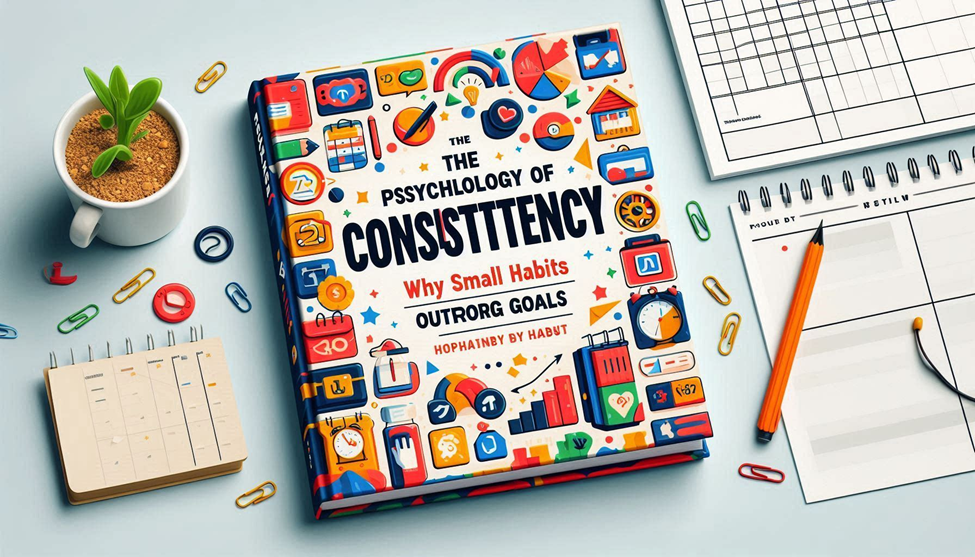
The Psychology of Consistency: Why Small Habits Outperform Big Goals
Introduction: The Illusion of Big Goals Modern self-improvement culture is deeply fascinated with ambitious transformation narratives. Lose twenty kilograms. Reinvent your career. Design the perfect lifestyle. These goals are compelling because they are dramatic, emotionally charged, and socially validated. They promise rapid change and visible success. However, despite their appeal, such goals often fail to…

Monday – Saturday 9AM – 5PM
Sunday – CLOSED