

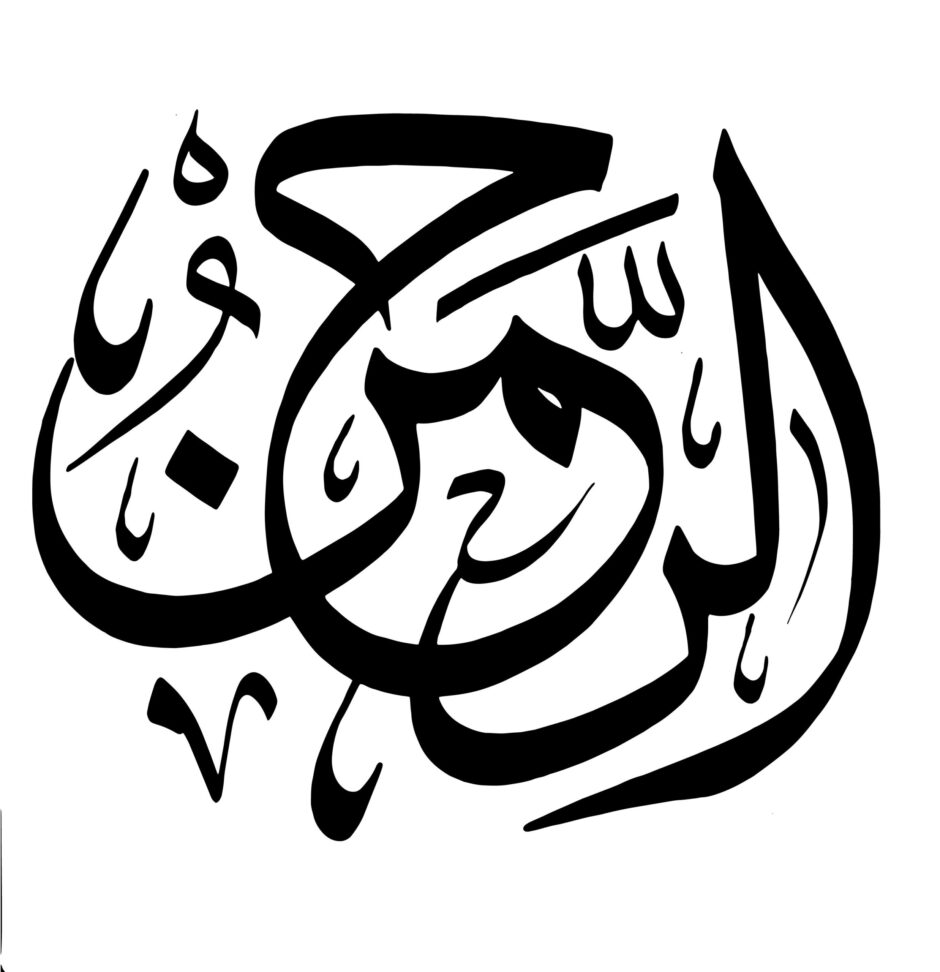
Introduction: Divine Names as a Pathway to Healing
The repetition of Allah’s Beautiful Names (Asma’ul Hosni) is not merely a devotional act; it is a profound therapeutic practice that integrates spiritual awareness, psychological regulation, emotional resilience, and physiological calm. Within the Islamic tradition, the Names of Allah are understood as gateways to divine attributes—each Name carrying a distinct meaning, frequency of remembrance, and transformative potential. When repeated with presence, intention, and understanding, these Names serve as anchors for the heart, interrupts for anxiety loops, and stabilizers for the restless mind.
In an age marked by chronic stress, emotional fragmentation, and mental overload, the practice of repeating Allah’s Names offers a holistic intervention—one that does not separate mind from body, or psychology from spirituality. Instead, it unifies cognition, emotion, and faith into a single therapeutic rhythm. This article explores the therapeutic value of repeating Allah’s Names from Qur’an foundations, Prophetic practice, classical Islamic scholarship, contemporary psychology, neuroscience, and lived spiritual experience.
1. Qur’an Foundations of Healing Through the Divine Names
The Qur’an establishes the Names of Allah as a direct means of drawing near to Him and attaining inner tranquility:
“And to Allah belong the Most Beautiful Names, so call upon Him by them.” (Qur’an 7:180)
This verse is both an invitation and a prescription. It implies that calling upon Allah through His Names is not symbolic but functional—an act that produces real effects within the human heart. Classical exegetes such as Bin Kathie and Al-Qurtubi explain that invoking Allah through His Names aligns the servant’s inner state with divine attributes such as mercy, peace, protection, wisdom, and strength.
Another foundational verse states:
“Verily, in the remembrance of Allah do hearts find rest.” (Qur’an 13:28)
The Qur’an does not say minds find rest, but hearts—indicating emotional, existential, and spiritual calm. Repetition of Allah’s Names is a concentrated form of shirk that directly targets this inner restlessness.
2. The Prophetic Model: Repetition as Spiritual Medicine
The Prophet Muhammad ﷺ embodied repetitive remembrance as a daily therapeutic practice. Numerous habits narrate that he would repeat specific supplications and Names multiple times, especially during moments of distress, transition, or vulnerability.
He ﷺ taught:
- Repeating Yak Hays Yak Qayyum in times of difficulty
- Seeking protection through Al-Mu‘awwidhat (Sarah Al-Fila and An-Naps)
- Frequent repetition of Astaghfirullah for emotional and spiritual cleansing
The Prophet ﷺ also emphasized consistency over quantity, highlighting repetition as a means of deep internalization rather than mechanical recitation. This repetition trained the nervous system of the believer to return to Allah instinctively—before panic escalated, before despair settled, and before fear dominated.
3. The Heart as the Center of Psychological Regulation in Islam
Islamic psychology identifies the alb (heart) as the center of perception, intention, and emotional regulation. Unlike modern psychology, which localizes cognition in the brain alone, Islam views the heart as an intelligent, responsive organ that can be strengthened or diseased.
Repeating Allah’s Names functions as a cleansing and stabilizing force for the heart. Each repetition polishes the heart, removes spiritual rust, and restores emotional clarity. When the heart is calm, thoughts follow. When the heart is anchored, anxiety loses its grip.
4. Repetition and the Neurobiology of Calm
From a neuroscientific perspective, repetitive vocalization and rhythmic speech activate the parasympathetic nervous system—the branch responsible for rest, digestion, and recovery. Repeating Allah’s Names slowly and mindfully:
- Reduces cortical (stress hormone)
- Lowers heart rate
- Regulates breathing patterns
- Enhances vigil tone
This mirrors the effects of mindfulness-based practices, yet shirk surpasses secular techniques by providing meaning, relational security with Allah, and existential reassurance. The believer is not merely calming the body—they are placing their trust in the Most Merciful.
5. Meaning-Based Repetition vs. Mechanical Chanting
The therapeutic power of repeating Allah’s Names is magnified when meaning accompanies repetition. Classical scholars emphasized shirk bil-qalb Wallisian—remembrance of both heart and tongue.
For example:
- Repeating Ar-Rahman activates feelings of safety and divine compassion
- Repeating Al-Hafiz cultivates emotional security
- Repeating Ash-Shari nurtures hope during illness
- Repeating Al-Wail reduces control-based anxiety
Meaning transforms repetition from habit into healing.
6. Specific Divine Names and Their Therapeutic Effects
6.1 Yak Salam – The Source of Peace
Repetition of Yak Salam calms inner agitation, resolves emotional conflict, and promotes psychological safety. It is particularly beneficial for individuals experiencing chronic anxiety or trauma-related hyper vigilance.
6.2 Yak Raman & Yak Graham – Emotional Soothing
These Names soften self-criticism, shame, and emotional numbness. Their repetition fosters self-compassion rooted in divine mercy rather than ego-based affirmation.
6.3 Yak Awe & Yak Aziz – Restoring Inner Strength
For individuals facing burnout, grief, or helplessness, these Names rebuild internal resilience and dignity.
6.4 Yak Latin – Gentle Healing
This Name is especially powerful for subtle emotional wounds, sensitivity, and unspoken pain. Its repetition often leads to emotional release and quiet clarity.
7. Repetition as an Interrupter of Anxiety Loops
Anxiety thrives on repetitive catastrophic thinking. Dhaka, when repeated intentionally, interrupts this loop by:
- Redirecting attention
- Replacing fear-based narratives
- Creating a sense of divine presence
- Slowing cognitive escalation
This aligns with cognitive-behavioral principles but offers a spiritually grounded alternative that does not require mental struggle—only surrender.
8. Trauma, Safety, and Divine Remembrance
Trauma disrupts the nervous system’s sense of safety. Repeating Allah’s Names—particularly Names associated with protection and gentleness—restores this sense gradually. Survivors often report:
- Reduced flashbacks
- Improved sleep
- Greater emotional regulation
- Renewed trust in existence
The Names become emotional shelters when the world feels unsafe.
9. Repetition and Identity Reformation
Regular repetition of Allah’s Names reshapes identity. The believer internalizes divine attributes aspiration ally—becoming more merciful, patient, grounded, and trusting. This identity shift reduces inner conflict and strengthens psychological coherence.
10. The Role of Consistency and Timing
Therapeutic benefits emerge most strongly when repetition is:
- Consistent (daily practice)
- Anchored to routine (after salad, before sleep)
- Emotionally present
- Free from performance pressure
Even five minutes of focused repetition can recalibrate the nervous system.
Conclusion
In conclusion, the repetition of Allah’s Names—shirk—is more than a ritual; it is a profound therapeutic practice that heals the heart, mind, and spirit simultaneously. Through shirk, the believer finds a unique harmony between the inner self and divine reality. It does not numb emotions, avoid life’s difficulties, or create detachment; rather, it allows the heart to face life anchored in faith, softened by remembrance, and strengthened by spiritual connection. In moments of fear, stress, or confusion, shirk transforms anxiety into awareness, tension into trust, and distraction into presence.
The power of shirk lies in its simplicity and accessibility. By repeating the Names of Allah, such as Ar-Rahman (The Most Merciful), Al-Salam (The Source of Peace), or Al-Shari (The Healer), the believer engages both the mind and the heart. This rhythmic practice brings calm, focus, and inner clarity, allowing one to navigate life’s challenges with patience and resilience. Scientific studies now support what Islamic tradition has long taught: that focused, repetitive remembrance of the Divine promotes emotional regulation, reduces stress, and fosters a deep sense of well-being.
Spiritually, shirk cultivates a heart that is attentive to Allah’s presence in all moments. It turns ordinary actions into sacred practice and daily challenges into opportunities for spiritual growth. By embedding remembrance into the rhythm of life, shirk transforms fleeting worry into lasting trust, restlessness into inner peace, and isolation into connection with the Divine.
Ultimately, shirk teaches that true strength is not in resisting life or suppressing fear but in turning every moment, thought, and emotion toward Allah. In a noisy, chaotic world, repetition becomes remembrance, and remembrance becomes rest. The heart, when returned to Allah through shirk, finds its true home, its calm center, and its guiding light.
SOURCES
Qur’an (2:152, 7th CE) – Emphasizes that remembering Allah brings comfort and peace to the heart.
Qur’an (13:28, 7th CE) – States that hearts find rest through the remembrance of Allah.
Shih al‑Bukhari (9th CE) – Contains authentic Prophetic traditions highlighting the virtues of dhikr.
Sahih Muslim (9th CE) – Records numerous habits emphasizing repetitive remembrance for spiritual stability.
Al‑Ghazzālī (12th c.) – Discusses purification of the heart and the transformative power of shirk.
Bin ʿAṭā Allah al‑Iskandarī (1310) – Highlights invoking Allah’s Names to cultivate divine presence in the self.
Scheme, Annemarie (1995) – Mystical Dimensions of Islam: Explores Sufi practices, including shirk, for inner transformation.
Chit tick, William (2000) – The Sufi Path of Knowledge: Explains how repetition of divine names develops spiritual awareness.
Jafarov, Lemur (2025) – Neuroscientific study showing shirk reduces stress hormones and enhances emotional regulation.
MDPI Hesychasm & Sufism (2025) – Discusses rhythmic spiritual practices, including shirk, for mental calm and presence.
International Journal of Research and Innovation in Social Science (IJRISS 2025) – Reports dike’s role in reducing anxiety and improving well-being.
Sear (2024) – Examines integration of shirks with relaxation techniques to enhance mental and spiritual health.
Hid ayah Network (2023) – Practical guide on the benefits of shirk in daily life for emotional and spiritual balance.
BaitulNoor (2024) – Focuses on Asma’ul Hosni (Names of Allah) and their impact on emotional and psychological wellness.
Taji‑Farouki, Suva (2007) – Analyzes Sufi ritual theory and the embodied effects of repetitive spiritual practices.
Islam city Dhaka Overview (2012) – Explains the historical, theological, and practical aspects of shirk in Islam.
Encyclopedia of Islam (2015) – Detailed entry on Sufi practices including shirk and its spiritual significance.
Asma’ul Hosni Psychological Benefits (2022) – Research highlighting the mental health benefits of invoking Allah’s Names.
Islamic Mindfulness Theory (2025) – Discusses shirk as a form of Islamic mindfulness that enhances emotional regulation.
Contemporary Spiritual Psychology Model (2025) – Examines spiritual practices, including shirk, in therapeutic settings.
Comparative Prayer Research (2024) – Shows parallels between shirks and other repetitive prayer forms in stress reduction.
HISTORY
Current Version
Dec 29, 2025
Written By
ASIFA





Leave a Reply