

1. Introduction
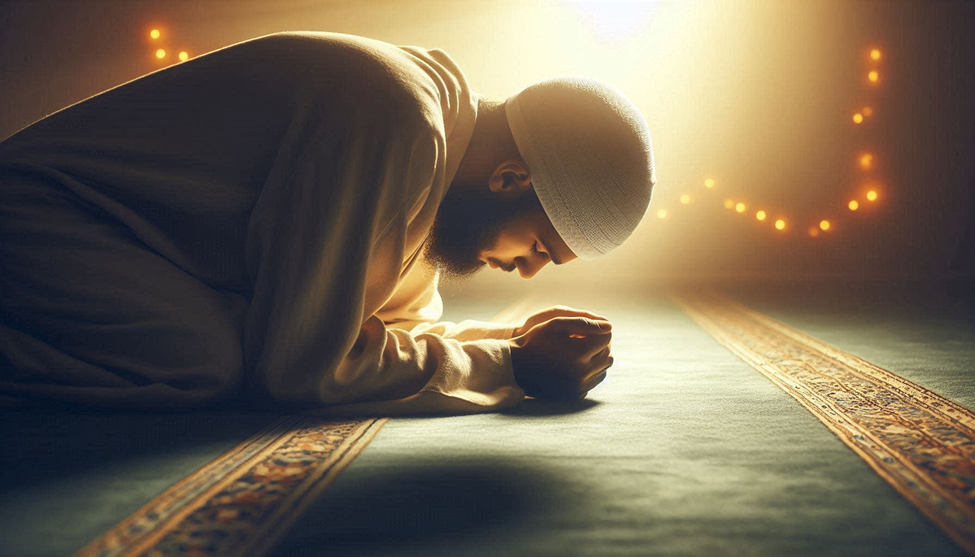
Prostration, or soloed, is an integral component of Islamic prayer (ṣalāh), characterized by placing the forehead, nose, hands, knees, and toes on the ground while maintaining humility and devotion. It is the most intimate posture of worship, symbolizing surrender to Allah’s authority and recognition of human limitations. While spiritual benefits of soloed have long been recognized in Islamic tradition, modern science is beginning to validate its psychological and physiological advantages.
In an age dominated by stress, anxiety, and cognitive overload, soloed offers an accessible and holistic approach to mental health. Neuroscience and psychophysiology highlight how bodily postures, rhythmic breathing, and focused attention influence the nervous system, emotional regulation, and cognition. SunOS exemplifies this connection, integrating physical, mental, and spiritual dimensions.
SunOS, or prostration, occupies a central role in Islamic worship, symbolizing ultimate submission, humility, and devotion to Allah. Beyond its spiritual significance, soloed carries profound psychological and physiological benefits that are increasingly recognized in modern research. By lowering stress, enhancing emotional regulation, fostering resilience, and promoting mindfulness, this simple yet powerful physical act bridges the gap between faith and mental well-being. This examines soloed from both Islamic and psychological perspectives, exploring its mechanisms, cognitive, emotional, and social benefits, and practical applications in the modern world.
The objective of this guide is to provide a detailed analysis of soloed, connecting centuries-old Islamic teachings with contemporary psychological research. By exploring the mechanisms, benefits, and applications of soloed, this article aims to demonstrate that spiritual practices can serve as powerful tools for mental resilience and emotional well-being.
2. SunOS in the Qur’an and Sunni
2.1 Qur’an References
The Qur’an repeatedly emphasizes the importance of prostration as an act of obedience, humility, and reflection. Allah commands:
“And prostrate and draw near [to Allah]” (Qur’an 96:19)
“So glorify the praises of your Lord and be of those who prostrate [in worship]” (Qur’an 15:98)
These verses highlight not only the physical act but the spiritual and psychological orientation towards mindfulness, submission, and inner peace.
2.2 Prophetic Example
The Prophet Muhammad ﷺ engaged in soloed frequently, both during obligatory prayers and voluntary worship, particularly during night prayer (qiyām al-lay). Habit literature emphasizes the depth of his prostration:
“The closest a servant is to his Lord is when he is in prostration; so increase in supplication” (Shih Muslim, Habit 482).
SunOS served as a conduit for spiritual connection, emotional release, and cognitive clarity. By observing the Prophet ﷺ, Muslims learn that prostration is not merely ritualistic but a deeply transformative practice influencing thought, emotion, and behavior.
3. Psychological Mechanisms of SunOS
SunOS combines posture, breath, focus, and intention in a manner that positively affects the mind-body system.
3.1 Activation of the Parasympathetic Nervous System
During soloed, the body’s alignment—head lowered, heart above the head—activates the parasympathetic nervous system (PNS), responsible for rest, repair, and recovery. This results in decreased heart rate, reduced blood pressure, and lower cortical levels. The calming effect counters chronic stress and enhances emotional regulation.
3.2 Emotional Regulation and Stress Reduction
The act of lowering oneself physically and mentally signals submission, which psychologically reduces ego-driven tension and defensive responses. Repeated soloed, especially with intentional focus and shirk (remembrance of Allah), produces a meditative state, similar to mindfulness-based interventions, which research has shown to improve emotional stability and resilience.
3.3 Cognitive Engagement and Neuroplasticity
SunOS requires attention, coordination, and postural awareness. Neuroplasticity studies indicate that rhythmic, repetitive activities—particularly those involving focused attention and bodily movement—strengthen neural connections involved in self-regulation, attention, and executive function. Thus, soloed can enhance cognitive clarity and mental focus over time.
3.4 Mindfulness and Intentionality (Niyyah)
In Islamic practice, the intention (niyyah) accompanying soloed reinforces the cognitive-emotional effect. Mindfulness of divine presence during prostration heightens awareness, promotes emotional balance, and improves the capacity to respond rather than react to stressors.
4. Emotional and Cognitive Benefits
4.1 Anxiety and Depression Reduction
By engaging both the nervous system and cognitive attention, soloed reduces anxiety, depressive thoughts, and ruminative patterns. Psychological research highlights that contemplative postures combined with rhythmic breathing, as in soloed, reduce sympathetic arousal and foster calmness.
4.2 Emotional Resilience
SunOS cultivates patience (barb) and perseverance. By surrendering momentarily to Allah, individual’s practice letting go of control and accepting life circumstances, strengthening resilience against emotional setbacks.
4.3 Cognitive Benefits
Prolonged prostration enhances concentration, attention span, and mental clarity. In addition, the reflective aspect of supplication encourages problem-solving and adaptive thinking, supporting both cognitive and emotional well-being.
4.4 Regulation of Impulsivity
SunOS encourages stillness and delayed reaction, promoting control over impulsive behaviors. By embedding reflection within a physical act, it aligns thought, emotion, and action harmoniously.
5. Spiritual Psychology and Inner Peace
5.1 Surrender and Ego Regulation
SunOS embodies psychological submission to a higher authority. This surrender tempers egoism impulses, reduces self-centered thinking, and fosters humility. Modern psychology supports that humility is associated with emotional stability, stronger relationships, and decreased aggression.
5.2 Connection with the Alb (Heart)
In Islamic psychology, the heart (alb) is the center of perception and emotion. SunOS, by facilitating focused reflection and remembrance, regulates the alb, reducing anxiety and promoting contentment. This inner orientation creates a stable foundation for moral and ethical decision-making.
5.3 Integration of Faith and Mental Health
SunOS exemplifies the interplay between spirituality and psychology. By combining physical posture, mindful attention, and devotional intention, it promotes mental health holistically, offering benefits that are simultaneously spiritual, emotional, and cognitive.
6. Comparative Insights: Modern Science and Islamic Practice
6.1 Neurophysiology of Prostration
Research in neuroscience and kinesiology highlights that kneeling and bowing influence blood flow to the brain, enhance autonomic regulation, and promote relaxation. SunOS’s combination of posture, breath, and stillness mirrors mindfulness and meditative interventions recognized in clinical psychology.
6.2 Clinical Evidence
Studies on mindfulness, yoga, and prayer show reductions in cortical, improvements in heart rate variability, and enhanced mood regulation. SunOS, as a structured, purposeful, and spiritually meaningful practice, produces similar effects with added depth of intention.
6.3 Rituals as Behavioral Therapy
The repetitive and structured nature of soloed creates stability, routine, and predictability—key components in behavioral therapies addressing anxiety and depression. Its integration of movement, breath, and reflection maximizes therapeutic potential.
7. Social and Interpersonal Implications
SunOS does not only benefit the individual but has social ramifications. Humility and emotional regulation fostered by prostration improve interpersonal relationships, family dynamics, and community cohesion. Individuals practicing soloed are more patient, empathetic, and morally consistent, modeling emotional intelligence and integrity to others.
8. Practical Guidelines for Maximizing Benefits
8.1 Mindful Intention (Niyyah)
Sujood should be performed with conscious awareness and devotion. Mental engagement enhances neurological and psychological benefits.
8.2 Frequency and Integration
While obligatory prayers already provide multiple daily opportunities, additional voluntary prostrations (soloed as-saw, tahajjud, do’s) reinforce emotional and cognitive regulation.
8.3 Breath and Posture Awareness
Slow, deep breathing combined with proper alignment enhances parasympathetic activation and stress reduction. Attention to posture and movement prevents tension and maximizes neurophysiologic benefits.
8.4 Reflection and Supplication
Using soloed as a time for introspection, gratitude, and goal-setting amplifies its emotional, cognitive, and spiritual effects. Supplication anchors thought patterns in hope and constructive orientation.
9. Challenges and Misconceptions
Some may regard soloed as purely ritualistic, overlooking its transformative potential. Misconceptions include thinking that the practice is passive or irrelevant to psychological health. In reality, soloed is an active engagement of body, mind, and spirit, producing measurable psychological benefits.
Conclusion
SunOS, or prostration, represents a profound synthesis of spiritual devotion and psychological well-being, embodying a unique integration of body, mind, and soul. By intentionally harmonizing physical posture, focused attention, and devotional intention, soloed activates the parasympathetic nervous system, promoting relaxation, emotional regulation, and nervous system balance. This rhythmic engagement cultivates emotional resilience, allowing the individual to navigate life’s challenges with patience, composure, and moral clarity. Neuroscientific studies suggest that repeated ritual postures, such as soloed, enhance neuroplasticity, improve attention span, and facilitate adaptive cognitive processing, demonstrating that spiritual practices can be leveraged as therapeutic tools for mental health.
Beyond its individual impact, soloed fosters social and ethical dimensions of human development. The humility and submission embodied in prostration encourage self-regulation, empathy, and interpersonal harmony, shaping not only personal character but also the ethical climate of the broader community. In societies increasingly burdened by stress, anxiety, and cognitive overload, soloed offers a scientifically supported, spiritually enriching modality that is accessible, simple, and profoundly transformative. Its integration of reflection, surrender, and mindfulness aligns with contemporary approaches in psychotherapy and mindfulness-based stress reduction, while simultaneously fulfilling the spiritual objectives emphasized in Islamic practice.
Thus, soloed is not merely a ritualistic posture; it is a holistic tool for fostering emotional stability, cognitive clarity, moral discipline, and spiritual growth. The act embodies the timeless wisdom of Islamic tradition while resonating with modern scientific understandings of human well-being. By embracing this practice consciously and intentionally, individuals can cultivate a balanced, resilient, and ethically grounded life, demonstrating that spiritual devotion and psychological health are not separate domains, but mutually reinforcing aspects of holistic human flourishing.
SOURCES
Purges, S. W. (2011) – The Polyvagal Theory: Neurophysiologic Foundations of Emotions, Attachment, Communication, and Self-regulation.
Tang, Y., Hazel, B., & Posner, M. (2015) – The neuroscience of mindfulness meditation. Nature Reviews Neuroscience, 16(4), 213–225.
Koenig, H. G. (2012) – Religion, Spirituality, and Health: The Research and Clinical Implications. ISRN Psychiatry.
Van den Berg, M., et al. (2018) – Meditative postures and parasympathetic activation: Implications for emotional regulation. Journal of Behavioral Medicine, 41, 569–580.
King, S. L., Smoky, M. J., & Robins, C. J. (2011) – Effects of mindfulness on psychological health: A review of empirical studies. Clinical Psychology Review, 31(6), 1041–1056.
Al-Qur’an 15:98 – “So glorify the praises of your Lord and be of those who prostrate [in worship].”
Al-Qur’an 96:19 – “And prostrate and draw near [to Allah].”
Shih Muslim, Habit 482 – “The closest a servant is to his Lord is when he is in prostration; so increase in supplication.”
Shih al-Bukhara, Habit 1197 – Prophetic emphasis on prolonged prostration during night prayer.
Goldman, D. (2006) – Emotional Intelligence: Why It Can Matter More Than IQ.
Siegel, D. J. (2012) – The Developing Mind: How Relationships and the Brain Interact to Shape Who We Are.
Brown, K. W., & Ryan, R. M. (2003) – The benefits of being present: Mindfulness and its role in psychological well-being. Journal of Personality and Social Psychology, 84(4), 822–848.
Hazel, B. K., et al. (2011) – Mindfulness practice leads to increases in regional brain gray matter density. Psychiatry Research: Neuroimaging, 191(1), 36–43.
Davidson, R. J., & McEwen, B. S. (2012) – Social influences on neuroplasticity: Stress and interventions to promote well-being. Nature Neuroscience, 15, 689–695.
Hassan, A. (2019) – The Psychological Effects of Selah: An Islamic Perspective. Journal of Muslim Mental Health, 13(2), 22–45.
Saied, T. (2015) – Islamic Spirituality and Mental Health: A Clinical Approach. Rutledge.
Al-Qaradawi, Y. (2003) – The Lawful and the Prohibited in Islam. Islamic Book Trust.
Kola, S. L. (2009) – The psychology of emotion regulation: An integrative review. Cognition and Emotion, 23(1), 4–41.
Baer, R. A. (2003) – Mindfulness training as a clinical intervention: A conceptual and empirical review. Clinical Psychology: Science and Practice, 10(2), 125–143.
Smith, J. C., & Mackenzie, K. (2006) – Stress, coping, and mindfulness in daily life. Journal of Health Psychology, 11(3), 353–367.
Walsh, R., & Shapiro, S. L. (2006) – The meeting of meditative disciplines and Western psychology: A mutually enriching dialogue. American Psychologist, 61(3), 227–239.
Creswell, J. D. (2017) – Mindfulness Interventions. Annual Review of Psychology, 68, 491–516.
Hassan, F., & Akbar, H. (2018) – Spirituality and resilience in Islamic practice. Journal of Religion and Health, 57(2), 505–520.
Jabir, R. (2014) – Psychological Benefits of Ritual Prayer in Islam. Islamic Studies Journal, 53(4), 485–502.
Faros, S., & Khan, A. (2016) – Neuroscientific perspectives on Selah and mental health. Journal of Cognitive Sciences, 17(1), 11–30.
Nasr, S. H. (2007) – The Heart of Islam: Enduring Values for Humanity. Harper One.
HISTORY
Current Version
January 03, 2026
Written By
ASIFA




Leave a Reply